how-to-learn-coding-in-2026-the-ai-powered-career-guide
How to Learn Coding in 2026: The AI-Powered Career Guide
The question on every aspiring developer's mind in 2026 is no longer "How do I write code?" but rather "How do I build software using AI?" The traditional way of learning programming—spending months memorizing syntax, fighting with semicolons, and watching 40-hour video courses—is officially obsolete.
Today, AI models can write perfect algorithms in milliseconds. However, this hasn't destroyed coding careers; it has supercharged them. The developers who are thriving in 2026 are AI-powered developers who know how to direct artificial intelligence to build robust, scalable applications.
If you are starting your coding journey today, this career guide will show you exactly how to learn programming effectively and build a recession-proof career in the AI era.
1. Shift Your Focus: From Syntax to Architecture
In the past, a programmer's value was judged by how well they remembered language-specific syntax. Today, your value is judged by your problem-solving ability and system architecture understanding.
The Old Way: Spending weeks learning how to write a complex SQL join query or configuring a webpack setup manually.
The 2026 Way: Asking an AI assistant to generate the query or config file, while you focus on designing a secure, clean database schema and understanding how the frontend talks to the backend.
What you must learn: Focus heavily on understanding data structures, database relationships (like Prisma schemas), HTTP requests, API authentication, and cloud deployment models.
2. Choose a Smart, Modern Tech Stack
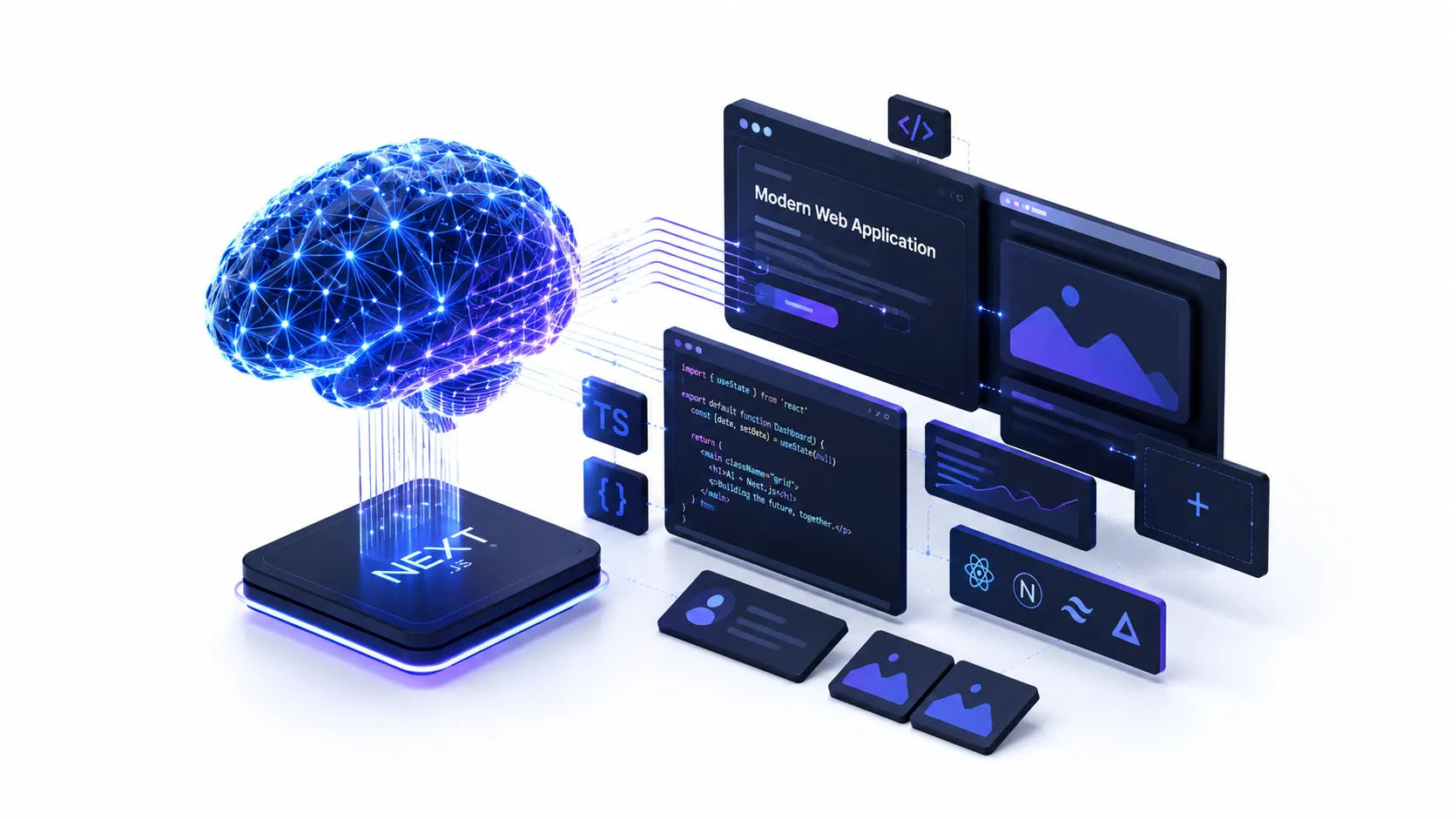
Don't try to learn everything at once. Pick a modern, cohesive stack that allows you to ship full-stack applications quickly. A highly recommended and industry-standard stack includes:
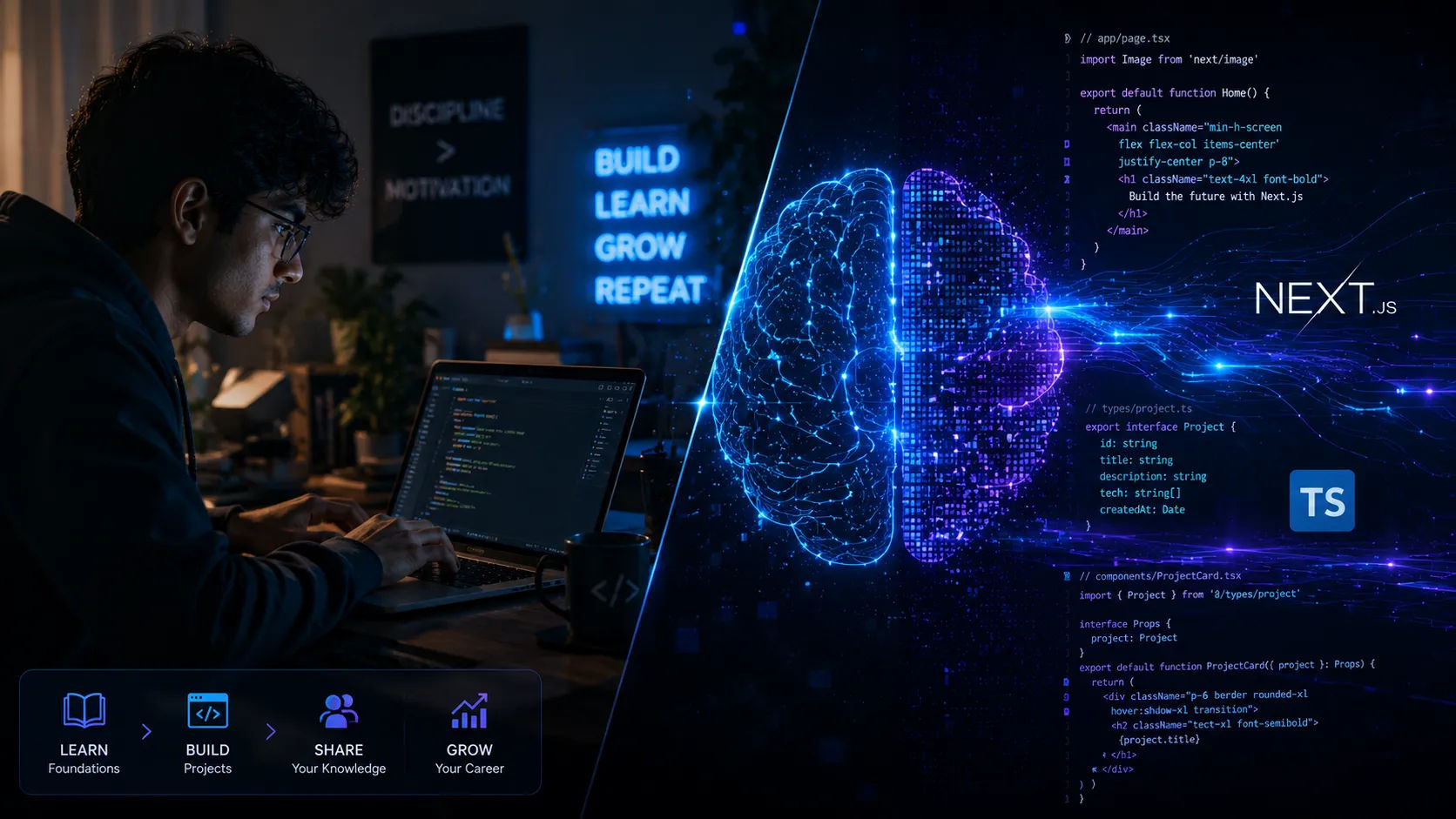
Frontend & Backend Framework: Next.js 15 (Leveraging React Server Components and Server Actions for fast, modern web development).
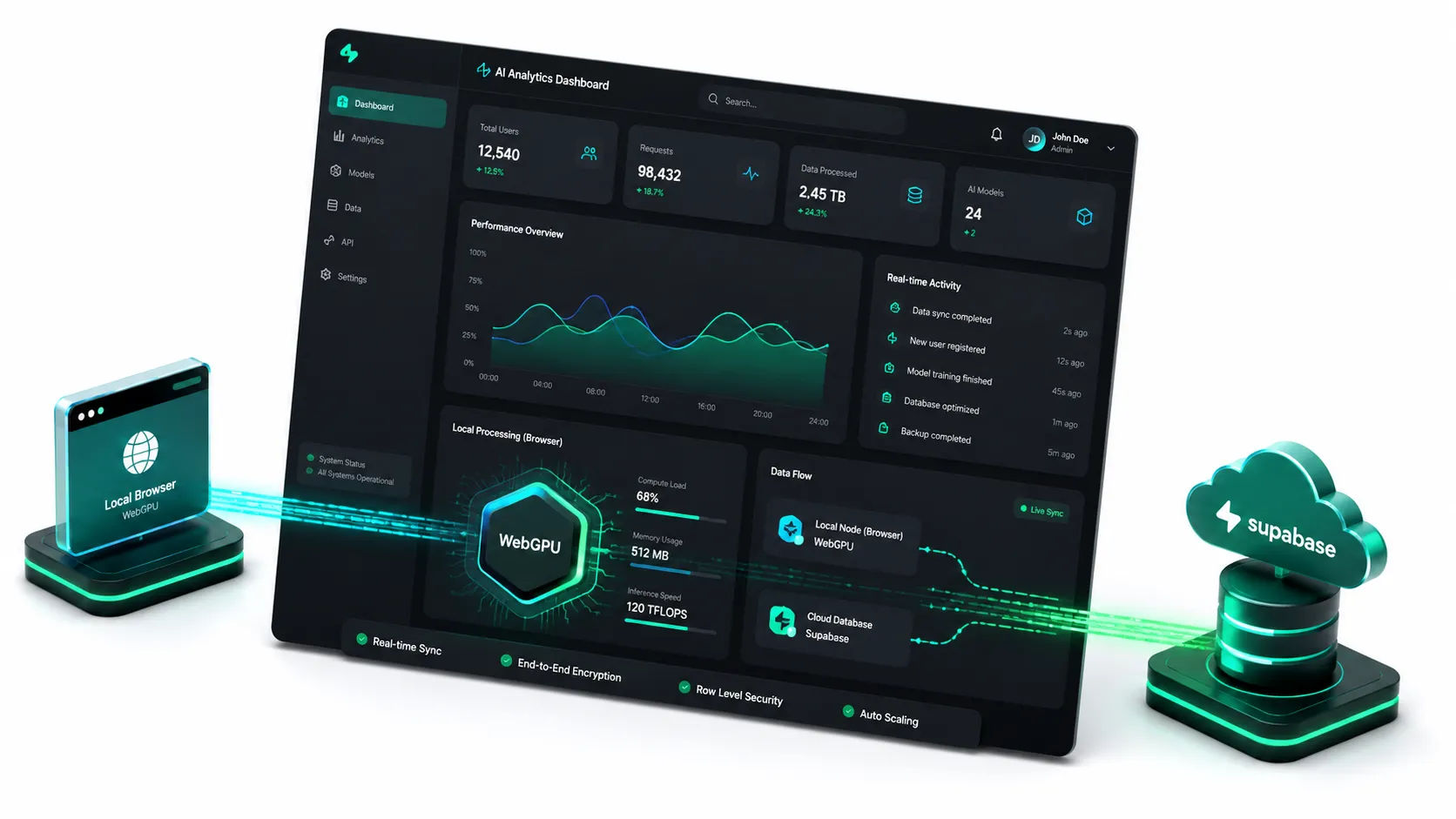
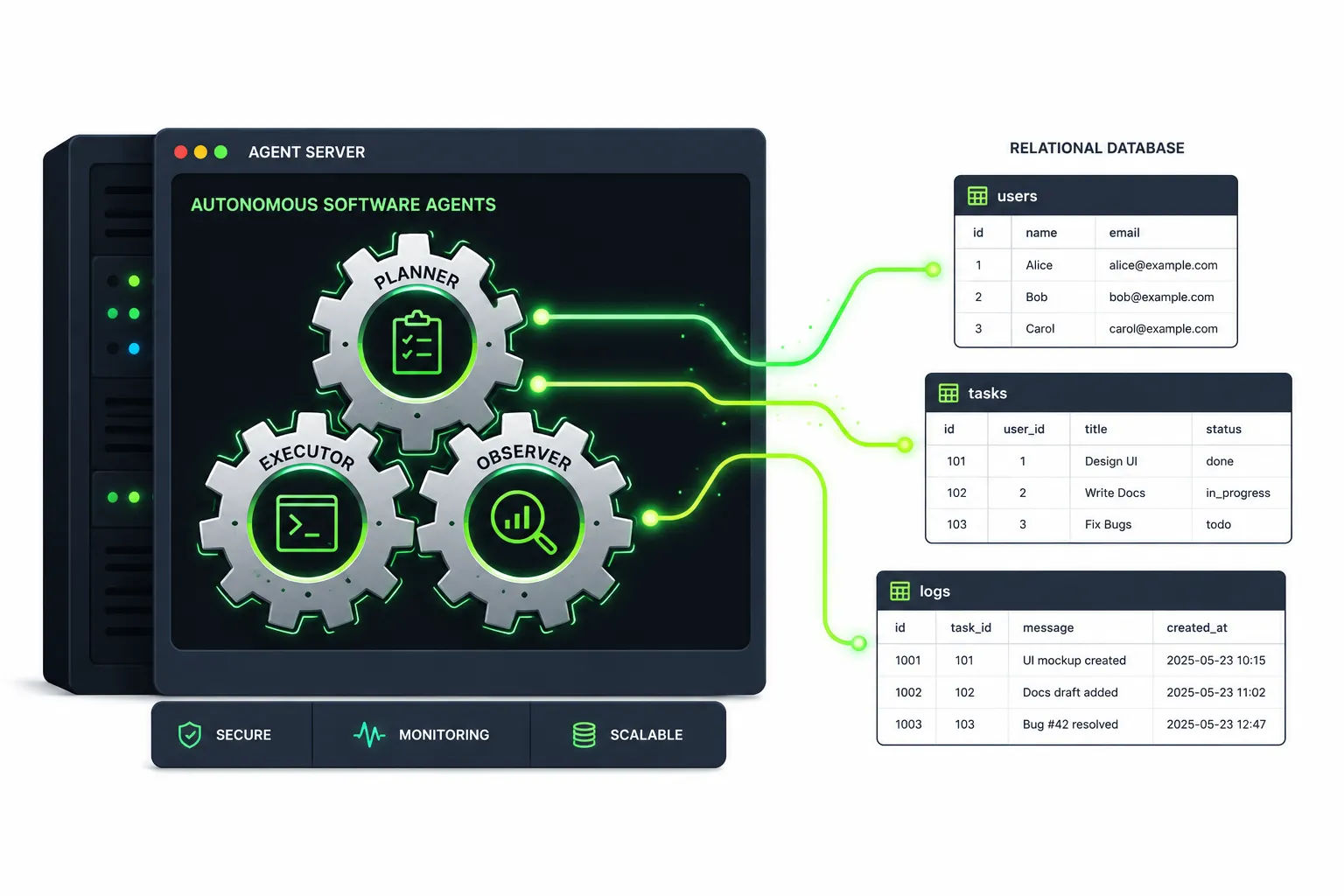
Database & Database Management: Supabase (PostgreSQL) paired with Prisma ORM for type-safe database mutations.
Styling: Tailwind CSS for rapid and clean UI development.
3. Learn the Art of "Agentic Prompting"
Writing prompts for code is a core software engineering skill. You cannot just give vague instructions and expect production-ready results.
Context is King: When using tools like Gemini or ChatGPT to generate code, always give the AI strict constraints. Provide your existing schema, specify the framework version (e.g., Next.js 15 App Router), and dictate the exact expected output format.
Code Review Mindset: Treat the AI as your junior developer. When it gives you a component, don't blindly paste it. Read through it, check for security flaws, ensure errors are handled properly, and verify that it matches your application logic.
4. Build "Real-World" Projects From Day One
Nobody cares about your certificates or tutorial todo-apps anymore. Employers and clients want to see live, functional web applications.
Build Utility Tools: Create browser-based micro-tools like image compressors, PDF generators, or dynamic dashboards.
Launch a Micro-SaaS: Build small software-as-a-service applications that solve real-world problems, integrate a payment gateway (like Lemon Squeezy or Stripe), deploy it to Vercel, and make it live for the world to see.
5. Adapt a "Never Give Up" Mindset
Learning to code while balancing life's other responsibilities—whether it's a demanding full-time job, family layout, or limited budget—requires discipline. The beauty of 2026 is that you have a 24/7 personal coding mentor available for free in the form of AI. When you get stuck on a bug, you don't have to wait for days; paste the error into your AI assistant, learn from the explanation, fix it, and keep moving forward.
Conclusion
Learning to code in 2026 is faster, more accessible, and more rewarding than ever before. AI has removed the tedious barriers of entry, allowing you to focus on creativity, logic, and building actual products. Embrace AI as your coding superpower, build consistently, launch your projects live, and you will successfully build a high-growth career in modern tech.