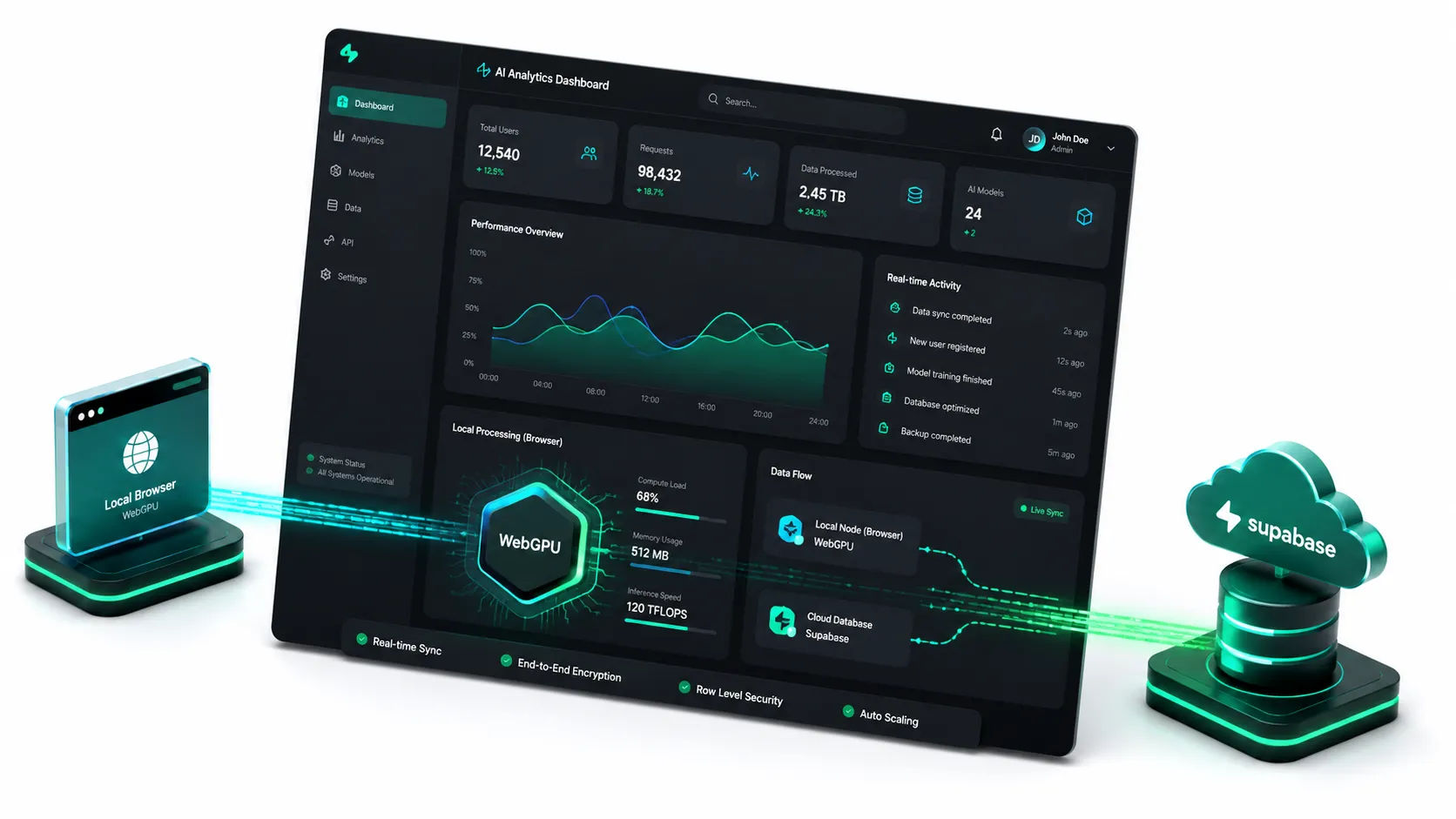
Build a Scalable Micro-SaaS with Next.js 15 & WebGPU
Building Local-First & Zero-Cost Micro-SaaS with Next.js 15, Supabase, and WebGPU
The golden age of traditional software-as-a-service (SaaS) is hitting a massive wall: Inference and Cloud Economics. Just a few years ago, building a Micro-SaaS was simple—you spun up a web wrapper around an external API, hooked up a payment gateway, and pocketed the margin.
But in 2026, user expectations have skyrocketed while margins have collapsed. If your application relies heavily on server-side processing, high-volume database reads, or remote AI API calls for every user interaction, your monthly cloud bill will scale faster than your recurring revenue. For an independent developer running a lean Micro-SaaS, a sudden spike in traffic can become a financial nightmare rather than a celebration.
The solution? Local-First Architecture backed by WebGPU, Next.js 15, and Supabase. By leveraging the user’s own hardware for heavy computation and utilizing modern serverless tiers strategically, you can build a highly scalable, blazing-fast Micro-SaaS that costs exactly $0 per month to run at infancy, maintaining near-zero infrastructure costs as you scale to thousands of users.
Yahan hum dekhenge ki kaise aap is powerful stack ko architect kar sakte hain bina apni pockets khaali kiye.
1. The Local-First Philosophy: Shifting the Computing Burden
Traditional web applications operate on a thin-client model: the browser is just a dumb terminal that renders UI, while the server does all the heavy lifting, database querying, and data transformation.
Local-First turns this model on its head. In a local-first application, the primary copy of the data and the application logic lives directly inside the user's browser client. The cloud is no longer the absolute source of truth; instead, it acts as a secondary layer used exclusively for backup, cross-device synchronization, and multi-tenant authentication.
Why WebGPU is a Game Changer for 2026 SaaS
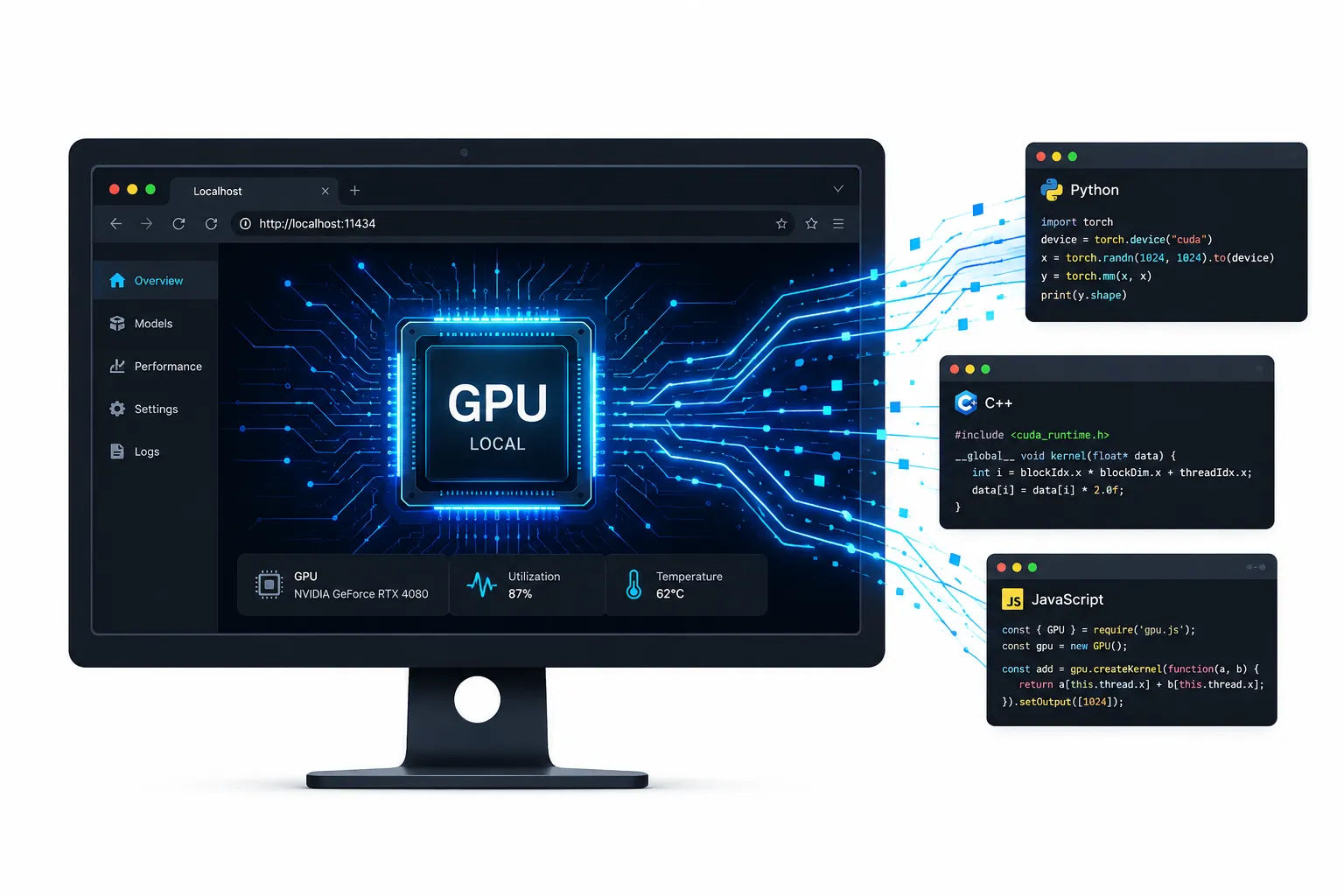
WebGPU is the modern web standard that allows browser scripts low-level, high-performance access to the user's local graphics card (GPU).
In the context of a Micro-SaaS (such as an advanced image editor, data analytics tool, video processor, or localized AI utility), WebGPU allows you to execute intensive tasks—like browser-side image compression, vector processing, or running specialized ML models—directly on the client machine.
What used to cost you dollars per compute-hour on AWS EC2 or Lambda instances now costs you absolutely nothing. The client's machine executes the heavy lifting in milliseconds, unlocking real-time interactions that traditional server-side applications simply cannot match. If you want to see how this browser-side compression logic fundamentally changes web speed, read our analysis on Mastering Image Management in Next.js 15: The Ultimate Zero-Cost Guide to ImageKit, Prisma, and Browser-Side Compression.
2. Next.js 15 as the Core Application Framework
To make a local-first application feel premium, your frontend framework must support robust rendering strategies, instant routing, and secure server-side handshakes when needed. Next.js 15 is perfectly engineered for this.
Instead of rendering every single page dynamically on a costly node server, Next.js 15 allows us to utilize Static Site Generation (SSG) and Incremental Static Regeneration (ISR) to compile the entire core application UI into highly optimized static assets. These assets can be hosted completely free on global edge networks like Vercel or Netlify.
Optimizing the Shell with Client-Side Sync
In a zero-cost Micro-SaaS layout, the outer shell (the landing page, documentation, and public views) is statically generated to maintain a perfect Lighthouse score. Once a user authenticates, they are served an optimized client-side application dashboard that boots instantly because it reads from local state.
By keeping the application code close to the user and avoiding excessive data fetching chains on initial render, you can effortlessly achieve extreme pagespeed benchmarks. For step-by-step methods on tuning these scores, check out our guide on How to Achieve 100/100 PageSpeed on Next.js 15 Using ImageKit, ISR, and Partial Prerendering.
3. Supabase: The Zero-Cost Cloud Control Plane
If all the data processing lives on the client side, why do we even need a backend database? The answer is simple: State Persistence, Auth, and Monetization.
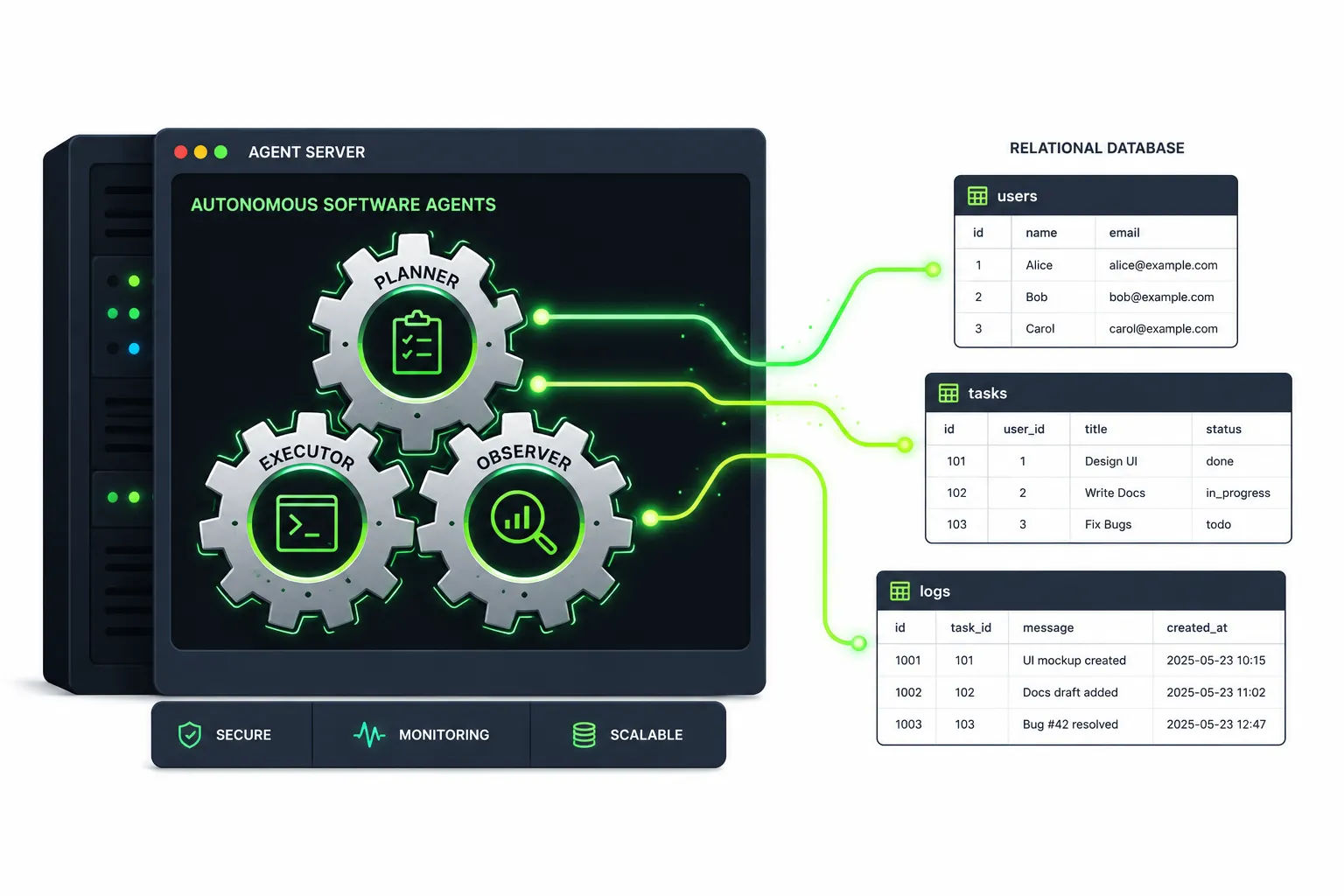
Users expect their dashboards to sync perfectly across their desktop and mobile screens. This is where Supabase shines as the ultimate open-source backend-as-a-service. Supabase provides a generous free tier that includes:
Full PostgreSQL Database (up to 500MB)