The Ultimate Web Development Roadmap for 2026: Mastering the AI Era
The Ultimate Web Development Roadmap for 2026: Mastering the AI Era
The landscape of web development has fundamentally shifted. In 2026, simply knowing how to write HTML, CSS, and basic JavaScript is no longer enough to secure a high-paying job or build a successful Micro-SaaS. With AI coding assistants like Gemini, ChatGPT, and agentic workflows handling millions of lines of boilerplate code every day, the role of a web developer has evolved from a "code writer" to a "software architect and system navigator."
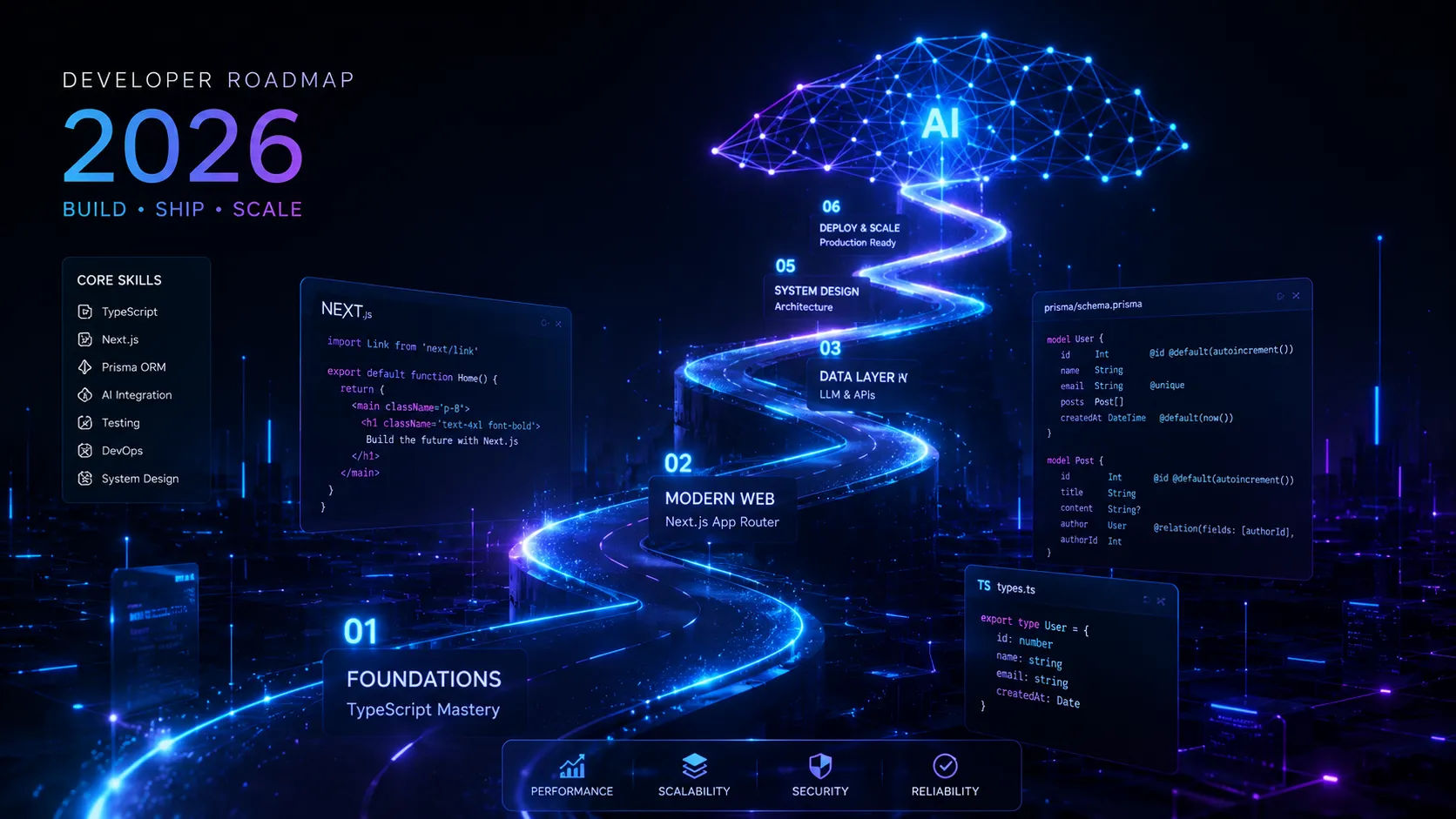
If you want to stand out, accelerate your career, and build production-ready applications this year, you need a roadmap designed specifically for the AI era. Here is the ultimate step-by-step web development roadmap for 2026.
Step 1: The New Foundations (AI-Augmented HTML, CSS, and TS)
You still need to understand how the web works, but the way you learn it should change. Don't waste months memorizing every CSS property or complex TypeScript syntax—AI can write those for you in seconds. Instead, focus on mental models.
What to master: Semantic HTML for SEO, modern CSS layouts (Flexbox and Grid combined with Tailwind CSS), and core TypeScript concepts.
The AI Skill: Learn how to write structured prompts to generate pixel-perfect UI layouts and components. Your job is to read, review, and debug what the AI generates, not to type every div manually.
Step 2: Mastering Next.js 15 and Server-First Architectures
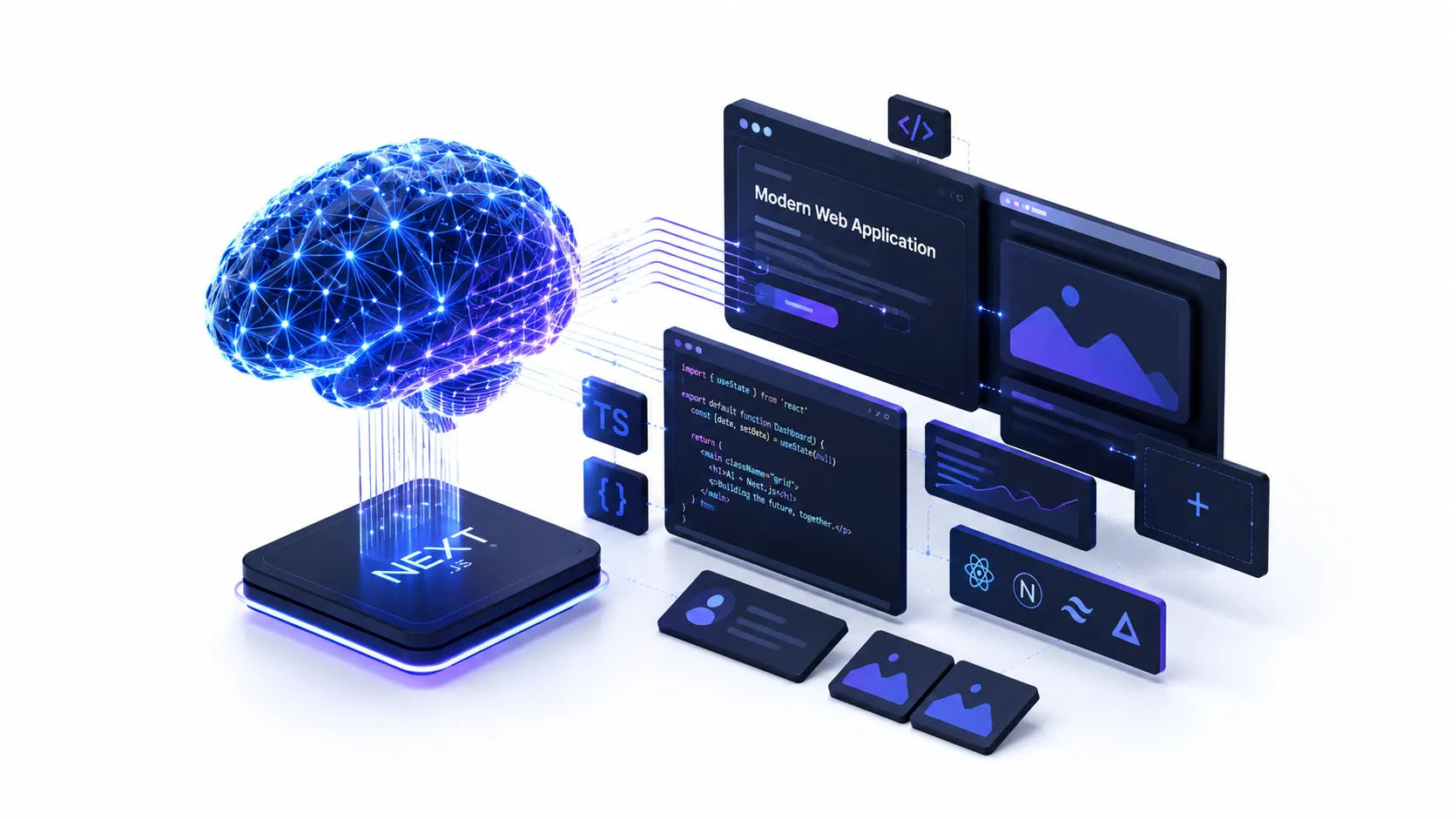
React is still dominant, but client-side heavy frameworks are losing ground to modern server-first meta-frameworks. Next.js 15 is the industry standard for building fast, SEO-optimized, full-stack applications.
What to master:
React Server Components (RSC): Fetching data directly on the server to keep your client-side bundle size minimal.
Server Actions: Handling form submissions, database mutations, and backend logic directly inside your component files without building separate API endpoints.
Dynamic SEO & Streaming: Utilizing Next.js metadata and partial pre-rendering to deliver instant user experiences.
Step 3: Database & State Management (Prisma & Supabase)
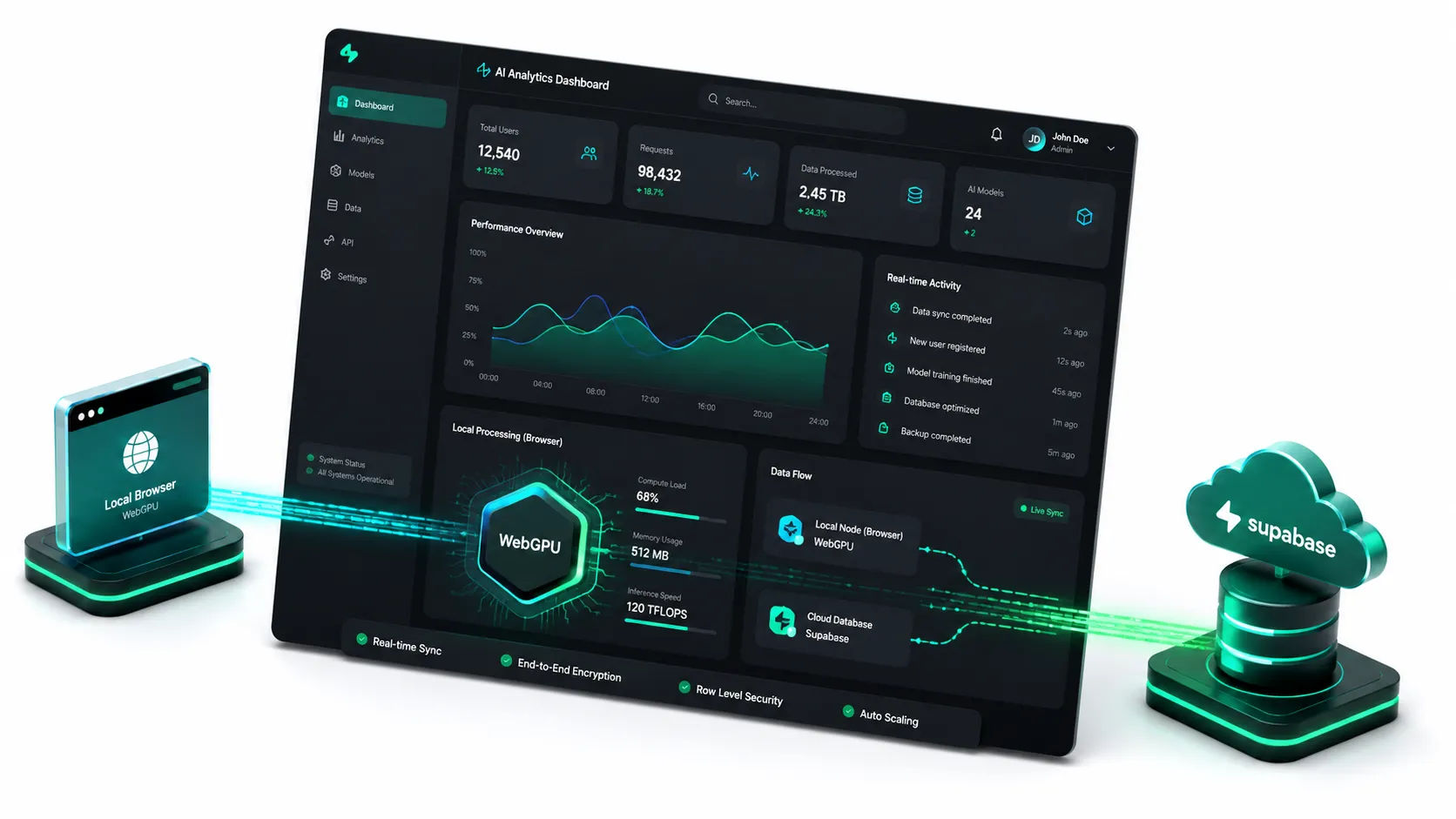
In 2026, setting up a database shouldn't take hours. Backend-as-a-Service (BaaS) and powerful Object-Relational Mappers (ORMs) allow you to ship features at lightning speed.
The Stack: Use Supabase (PostgreSQL) for your database, authentication, and real-time features, combined with Prisma ORM for type-safe database queries.
What to focus on: Designing efficient relational database schemas, handling multi-tenant architectures, and understanding data relationships (One-to-Many, Many-to-Many).
Step 4: Mastering Agentic AI Workflows (The Developer's Superpower)
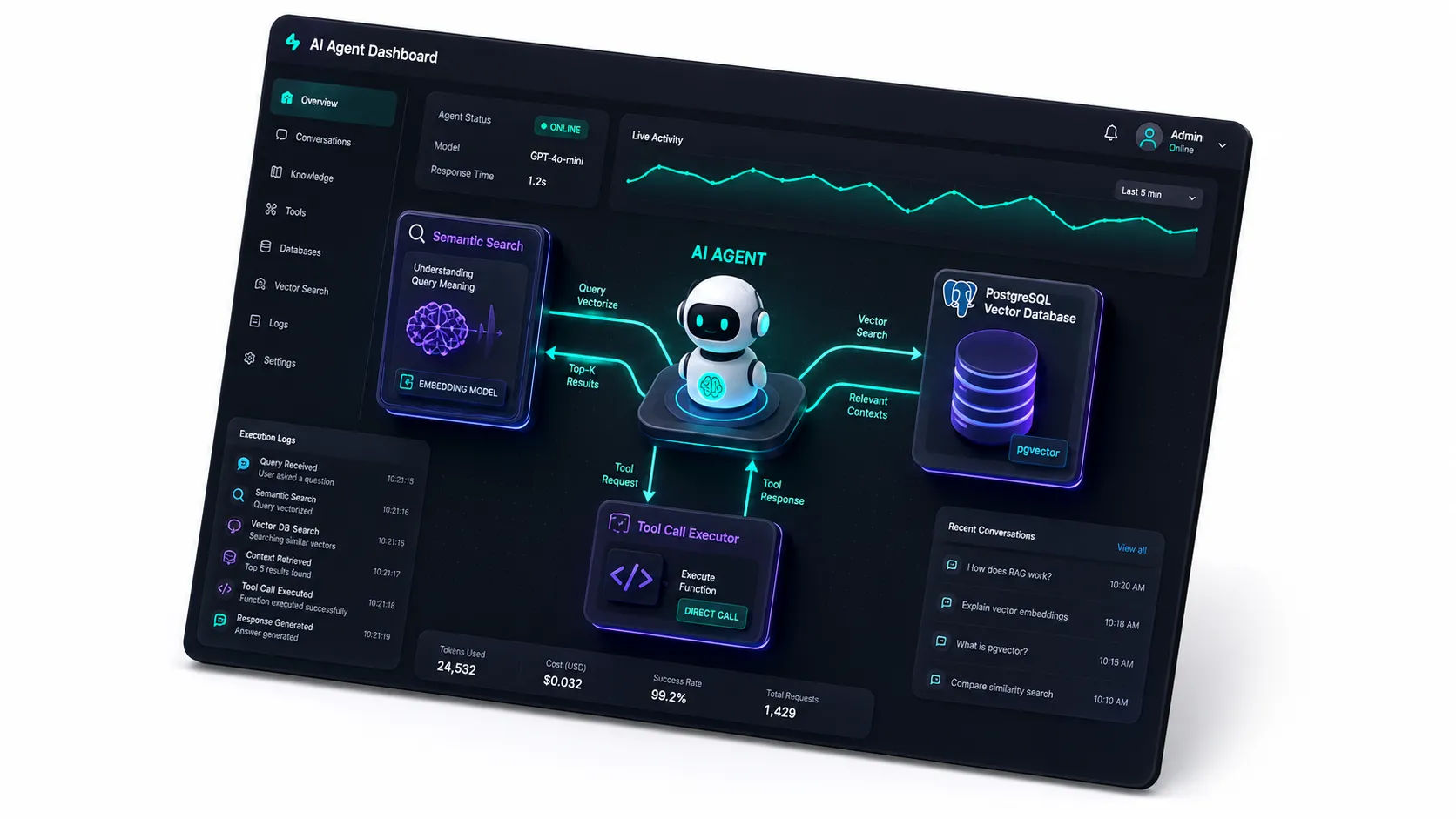
This is where the 2026 roadmap diverges from previous years. To be a top-tier developer, you must integrate AI directly into your terminal and IDE workflow.
AI Coding Tools: Move beyond just chatting with web interfaces. Master tools like Claude Code, Cursor, or Gemini-powered extensions directly inside VS Code.
System Design over Syntax: Spend your energy learning how APIs connect, how to secure web applications, how webhook architectures function, and how to optimize database indexes. Let AI do the heavy lifting of writing the code, while you direct the architecture.
Step 5: Monetization and Deployment (Building Micro-SaaS)
A true modern web developer doesn't just build local projects; they build live, income-generating systems.
Deployment: Learn zero-config edge deployments using platforms like Vercel.
Monetization: Integrate seamless payment gateways like Lemon Squeezy or Stripe, build custom advertisement management systems, and set up dynamic analytics to scale your applications into saleable Micro-SaaS platforms.
Conclusion
The AI era hasn't killed web development; it has removed the boring parts and made it incredibly exciting. By mastering a modern, server-first stack like Next.js 15, Prisma, and Tailwind CSS, and combining it with fluent AI prompting skills, you can build software faster than ever before. Stop memorizing syntax—start building solutions.