Unlock Adaptive UIs: Next.js and AI for Hyper-Personalized User Experiences
Unlock Adaptive UIs: Next.js and AI for Hyper-Personalized User Experiences
In today's digital landscape, a one-size-fits-all approach to user experience simply doesn't cut it. Users expect interfaces that understand them, anticipate their needs, and adapt seamlessly to their preferences and context. This isn't just a nice-to-have anymore; it's a critical component of engagement and conversion.
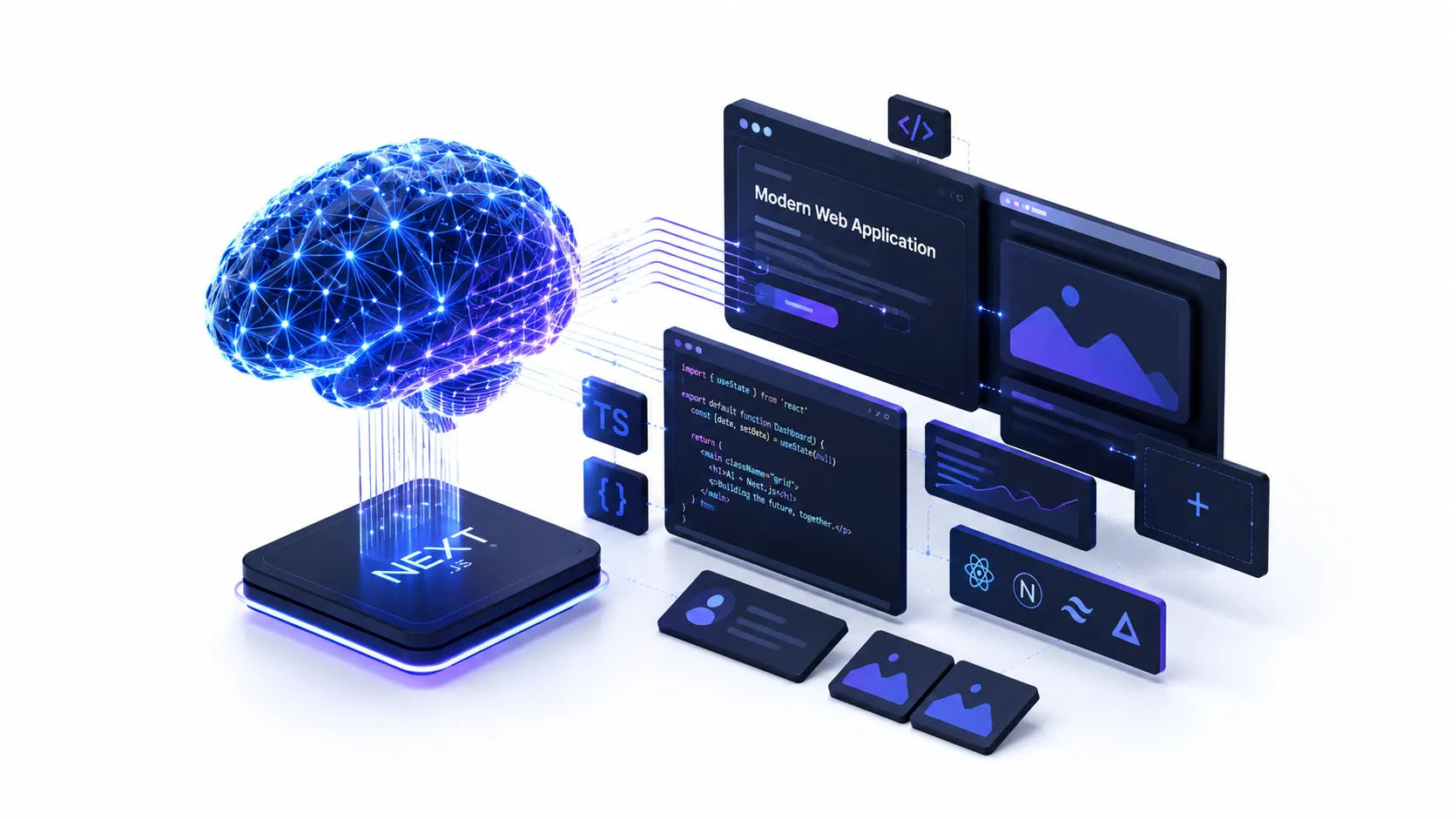
Enter the powerful combination of Next.js and Artificial Intelligence. Together, they offer a robust toolkit for moving beyond static web pages to create truly adaptive user interfaces (UIs) that deliver hyper-personalized experiences.
The Promise of Adaptive UIs
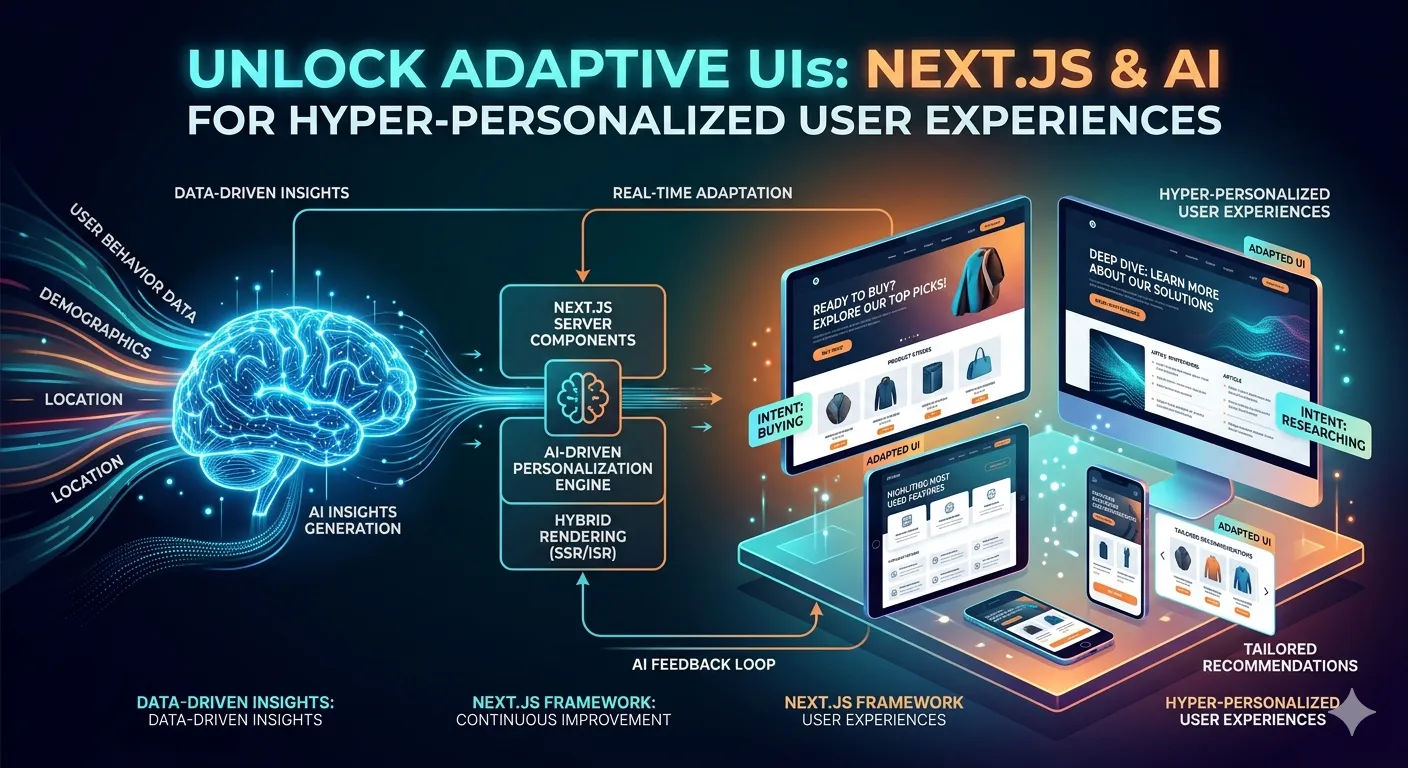
Adaptive UIs are more than just responsive designs; they are intelligent systems that dynamically alter their layout, content, and functionality based on real-time user data, behavior patterns, and contextual information. Imagine an e-commerce site where product recommendations aren't just generic, but perfectly tailored to your browsing history and purchase intent. Or a SaaS dashboard that highlights the features you use most, while de-emphasizing those you rarely touch.
The benefits are clear: increased user satisfaction, higher engagement rates, improved conversion funnels, and ultimately, stronger brand loyalty. By making every interaction feel uniquely relevant, businesses can forge deeper connections with their audience.
Next.js and AI: A Perfect Partnership
Next.js, with its hybrid rendering capabilities (SSR, SSG, ISR) and powerful Server Components, provides an excellent foundation for building dynamic, high-performance web applications. When you integrate AI into this framework, you unlock new levels of intelligence and adaptability.
AI models can process vast amounts of data – user demographics, browsing history, click patterns, geographical location, time of day, device type, and even sentiment analysis – to generate insights. These insights then inform how the Next.js application renders and behaves. Server Components, in particular, shine here, allowing you to fetch personalized data and render tailored UI elements on the server before sending them to the client, ensuring optimal performance and SEO.
Data-Driven Personalization with AI
At the core of adaptive UIs is data-driven personalization. AI algorithms excel at identifying subtle patterns in user behavior that humans might miss. By continuously analyzing these patterns, AI can predict user intent and preferences, enabling the application to make intelligent decisions about what to display and how.
This goes far beyond simple A/B testing; it’s about creating a unique experience for each individual user. For small businesses, this level of hyper-personalization can revolutionize marketing and customer engagement, making every touchpoint resonate more deeply.