Mastering Next.js 15: Server Components, AI, and the Future of Web Development
Mastering Next.js 15: Server Components, AI, and the Future of Web Development
The web development landscape is in constant flux, and Next.js has consistently been at the forefront of innovation. With the anticipated release of Next.js 15, developers are poised to embrace a new era of performance, scalability, and enhanced user experiences, primarily driven by refined Server Components (RSCs) and their powerful integration with artificial intelligence.
The Evolution of Server Components & Next.js 15 Caching
Next.js 15 builds significantly on the foundation laid by previous versions, particularly with its refined approach to Server Components. These components execute purely on the server, allowing for direct database queries, secure API calls, and the rendering of static or dynamic content without shipping large JavaScript bundles to the client. This paradigm shift means less client-side JavaScript, faster initial page loads, and a more robust security posture as sensitive logic remains server-side.
What's new in Next.js 15? A major shift in the caching paradigm. Unlike previous versions, fetch requests, GET Route Handlers, and client-side navigations are now uncached by default. To deep dive into managing synchronization and real-time state updates under this new model, you can read about mastering nextjs server actions real time data revalidation for dynamic uis.
Additionally, with production-ready Partial Prerendering (PPR), Next.js 15 allows layouts to be statically pre-rendered while dynamic server-side components are streamed in seamlessly. To understand how this fits into the wider rendering ecosystem, explore our comprehensive guide on mastering nextjs rendering ssr ssg and isr for peak performance. This approach moves computation closer to the data, significantly reducing the amount of data transferred over the network and minimizing the client's workload. This results in a snappier, more responsive application, especially crucial for complex dashboards and data-heavy applications.
Next.js 15 and AI: A Powerful Synergy
The true potential of Next.js 15's Server Components emerges when combined with AI. Imagine applications where large language models (LLMs) process user queries, generate personalized content, or even dynamically adjust UI elements based on real-time data – all orchestrated efficiently on the server. By utilizing frameworks like the Vercel AI SDK directly inside RSCs, Server Components provide the ideal environment for this, handling the heavy lifting of AI inferences and data processing before delivering a lightweight, pre-rendered output to the client.
This approach allows developers to create truly dynamic and interactive experiences, moving beyond static Next.js server components and AI for dynamic experiences. Think about personalized content feeds, AI-driven search results, or even sophisticated recommendation engines that render directly on the server, ensuring optimal performance and a seamless user journey.
If you are eager to build these capabilities yourself, check out our practical walkthrough on how to build a nextjs 15 ai content generator with gemini ai.
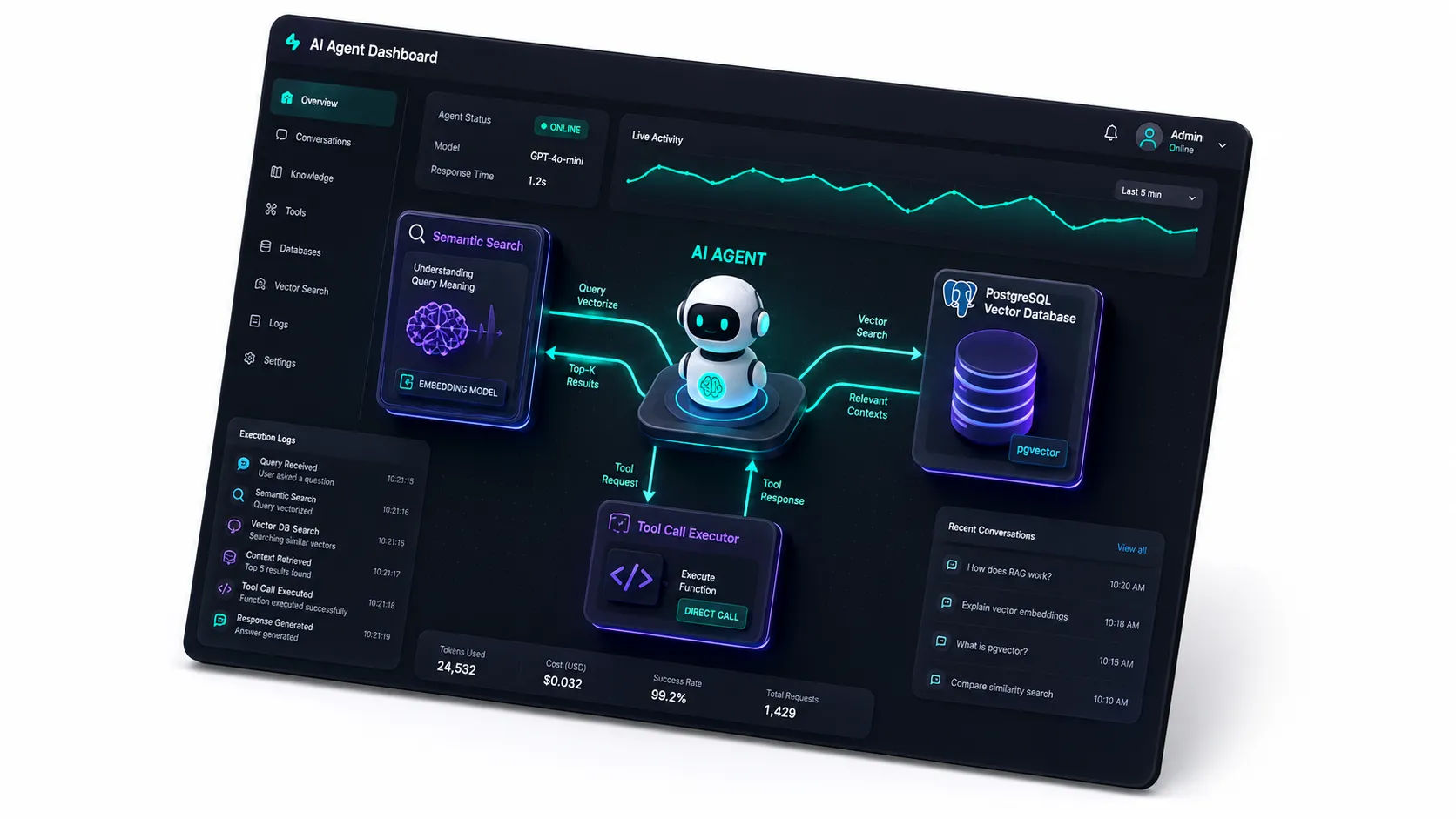
For instance, an AI-powered admin dashboard could leverage Server Components to fetch and analyze vast datasets via secure backend ORMs, generate insightful summaries using AI, and then render a custom, data-rich view without ever burdening the client with complex computations or exposing sensitive API keys to the browser.
Building High-Performance Applications with Next.js 15
The architectural advantages of Next.js 15, especially with its enhanced Server Components, make it the ideal framework for building high-performance, scalable applications. Whether you're developing a content management system, an e-commerce platform, or a micro-SaaS solution, the ability to offload rendering and data fetching to the server provides unparalleled benefits.